
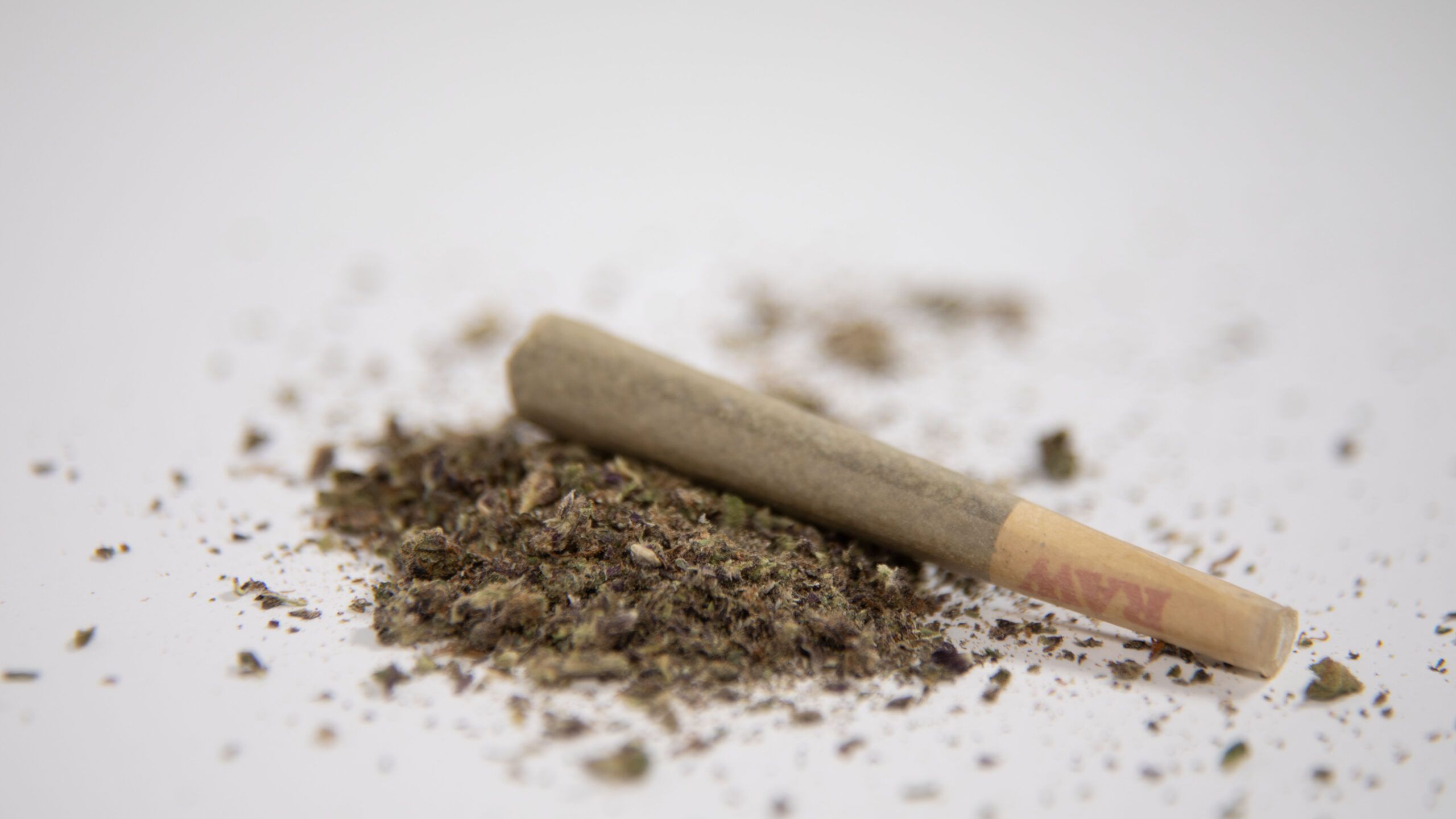
On a humid Miami Beach night—when Ocean Drive is packed, music spills into the street, and the air carries every scent imaginable—few phrases land like a hammer the way “I smell marijuana” does. For decades, that simple claim often kicked open the door to a warrantless vehicle search under Florida’s “plain smell” tradition. But in 2024–2025, Florida appellate courts began pulling that door partly shut, for a straightforward reason: in Florida, cannabis-related odors no longer point only to illegal activity.
Here’s the core issue. Probable cause requires a fair probability that evidence of a crime will be found. In older marijuana-only days, the logic was simple: if it smelled like weed, it was contraband. But Florida now allows medical marijuana and operates a state hemp program, making it harder to treat odor as a sure sign of a crime.
That shift showed up sharply in a major October 1, 2025 ruling from Florida’s Second District Court of Appeal, which said cannabis odor by itself can’t establish probable cause the way it once did. The court reasoned that because legal pathways exist (medical cannabis and hemp), odor alone is no longer “immediately apparent” proof of contraband; instead, smell is simply one factor in a broader “totality of the circumstances” analysis.
What does that mean in Miami Beach and Ocean Drive specifically? Miami-Dade sits in Florida’s Third District Court of Appeal, and its decisions before that October 2025 shift show how the ground was already getting shaky. In Aldama v. State (3d DCA, July 17, 2024), the court upheld a search where troopers smelled raw marijuana—but the opinion emphasized the officers also asked questions meant to rule out legal explanations (medical card or hemp), and the defendant denied those explanations. That “odor plus dispelling lawful explanations” approach mattered to the outcome.
Then in Wright-Johnson v. State (3d DCA, March 5, 2025), the Third DCA didn’t fully settle the statewide debate. Instead, it affirmed the case on a “good faith” theory—essentially finding that the officer relied on what courts had previously allowed at the time—while acknowledging that medical marijuana laws were putting pressure on the old “plain smell” rule.
So, is cannabis odor considered probable cause on Ocean Drive today? Increasingly, not by itself—especially after the October 2025 ruling that rejected odor-alone logic and pushed courts toward a total-circumstances test. But odor can still start the conversation for police: it may justify more questions, a closer look for visible contraband, or an impairment investigation—because driving while impaired remains a public-safety focus even where some cannabis is legal.
This article is Informational only and does not constitute legal advice.